
If you are doing all the right sleep hygiene things and still waking up wired at 2 a.m., the problem is probably not your willpower, it is your biochemistry. Melatonin is built from protein, carbs, and specific nutrients like iron, B6, magnesium, zinc, folate, and B12, and that entire pathway is powered by thyroid driven energy metabolism. Low T3, poor nutrient absorption, low carb intake, blood sugar crashes, gut dysfunction, and cortisol spikes can all choke off your serotonin to melatonin pipeline, even when your labs look “normal.” When you support thyroid function, gut health, nutrient status, and blood sugar along with a calm routine, sleep finally becomes something your body can do on its own, not something you fight for every night.
You’ve tried everything. The magnesium gummies, the melatonin spray, the sleepy time teas. You’ve turned your bedroom into a cave and put your phone on airplane mode by 9 p.m. Maybe you even stopped scrolling and started meditating, hoping that this would finally fix your sleep.
But your eyes still pop open at 2:17 a.m.
Or maybe your body feels tired, but your brain just. won’t. shut. off. You toss and turn, counting sheep, ceiling tiles, how many hours of sleep you’d get if you fell asleep right now.
If you’ve ever felt like your sleep is fragile, broken, or just plain hard to come by, especially when you’re doing all the “right things,” this post is for you.
We’re going to dig into what actually builds melatonin in your body (hint: it’s not just taking melatonin), the nutrients and food patterns that make or break your sleep quality, and how your thyroid ties into all of it. Because when thyroid hormones are low or poorly utilized, sleep often becomes a downstream casualty.
Most of the women we work with come to us with some version of this story:
“I eat pretty well. I’m not drinking a ton of caffeine. I try to unwind before bed. But I’m still exhausted. I wake up feeling like I haven’t slept at all.”
Or:
“I fall asleep okay, but I wake up in the middle of the night almost every night, and then I can’t fall back asleep.”
Or this one:
“I’ve been told my labs are normal. That my sleep issues are ‘just stress.’ But I feel like something deeper is going on.”
And they’re right. There is something deeper. And it starts with the chemistry of how your body makes melatonin.
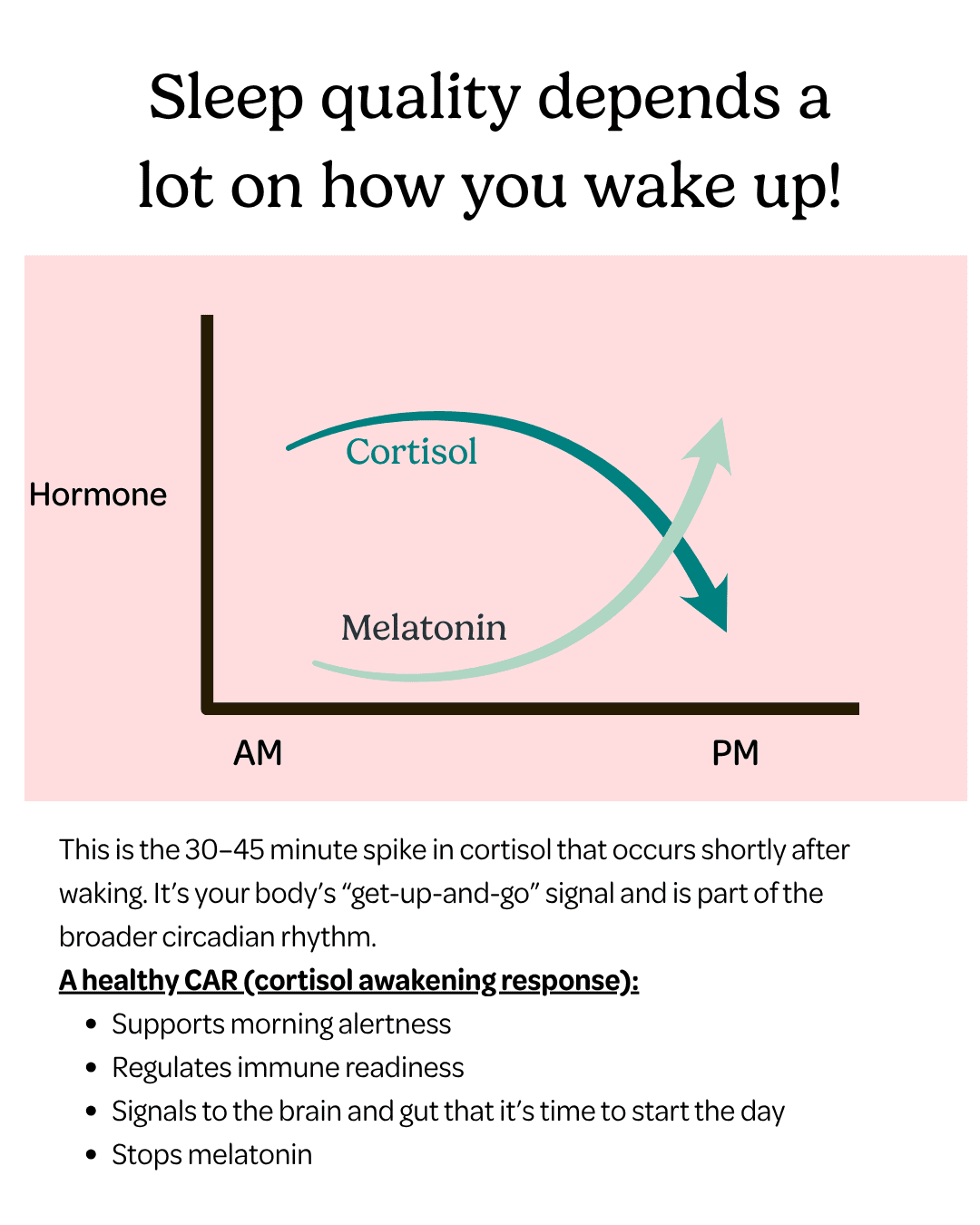
Melatonin is your body’s sleep hormone. It helps you feel sleepy, stay asleep, and keep your circadian rhythm in sync.
But melatonin isn’t just something your body turns on when the lights go out. It has to be built from nutrients, enzymes, amino acids, and a whole lot of metabolic teamwork. That process requires energy, and energy metabolism is regulated heavily by your thyroid hormones, particularly T3.
The process looks like this:
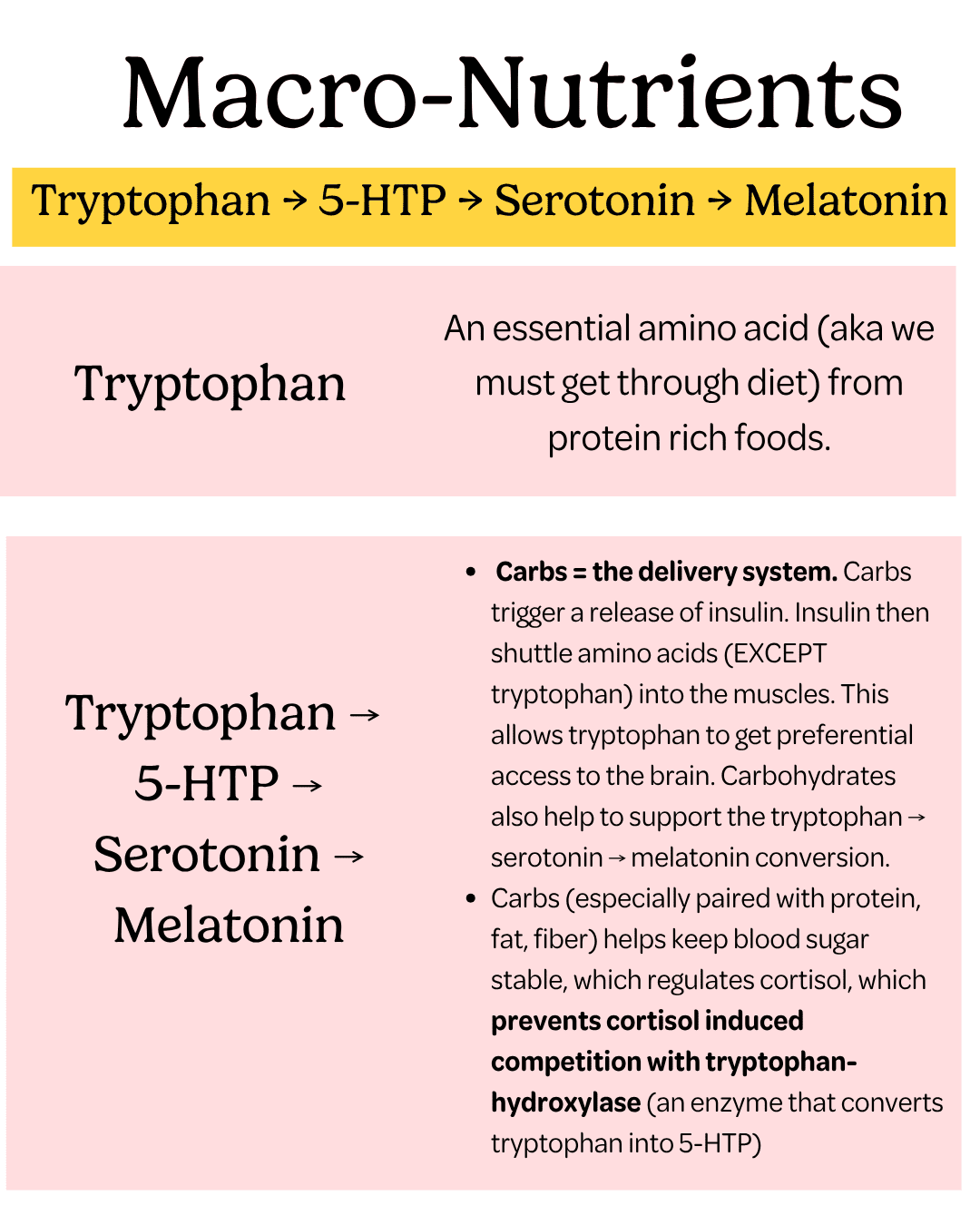
Tryptophan (amino acid) → 5-HTP → Serotonin → Melatonin
Each of these steps needs very specific ingredients and proper metabolic function. If you’re missing one, or if your thyroid isn’t firing well, the whole process can slow down.
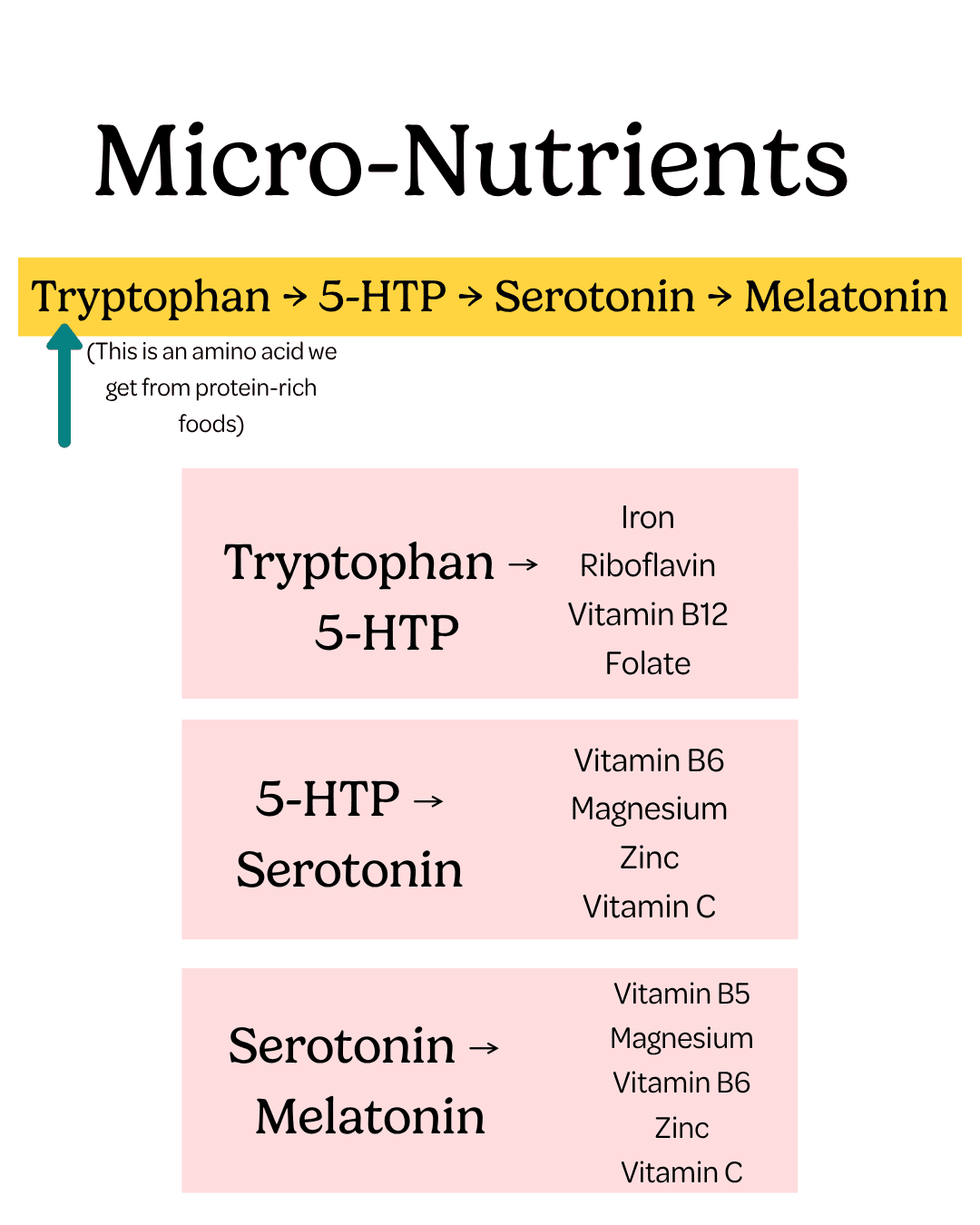
Let’s break down the key players:
Found in protein-rich foods (turkey, eggs, seeds), this amino acid is the raw material. But it competes with other amino acids to get into the brain. You need a small insulin spike (from carbohydrates) to help tryptophan win the race.
Cofactor for tryptophan hydroxylase, the enzyme that converts tryptophan to 5-HTP. Low iron means the pathway bottlenecks at the very start. Common in women with heavy periods or Hashimoto’s.
Crucial for converting 5-HTP to serotonin. It also helps convert serotonin to melatonin. Depleted by stress, alcohol, hormonal birth control, and poor liver function.
Supports enzymatic activity in both serotonin and melatonin synthesis. Also helps calm the nervous system. Many people with hypothyroidism are deficient due to gut malabsorption or high stress.
Needed for methylation, which helps with neurotransmitter balance and the final step of melatonin synthesis. If methylation is sluggish (common with MTHFR or low stomach acid), your body may struggle to complete the conversion.
Helps stabilize enzymes and supports B6 activation. Zinc deficiency is frequently seen in hypothyroid individuals, especially when gut function is impaired.
S-adenosylmethionine is required to convert serotonin into melatonin. It’s produced via methylation pathways, which are supported by B12, folate, choline, and protein. Poor methylation or high oxidative stress can deplete SAMe and interrupt the process.
Protein supplies tryptophan. Carbs help tryptophan cross the blood-brain barrier. Too little of either, and your serotonin-melatonin pipeline slows down.
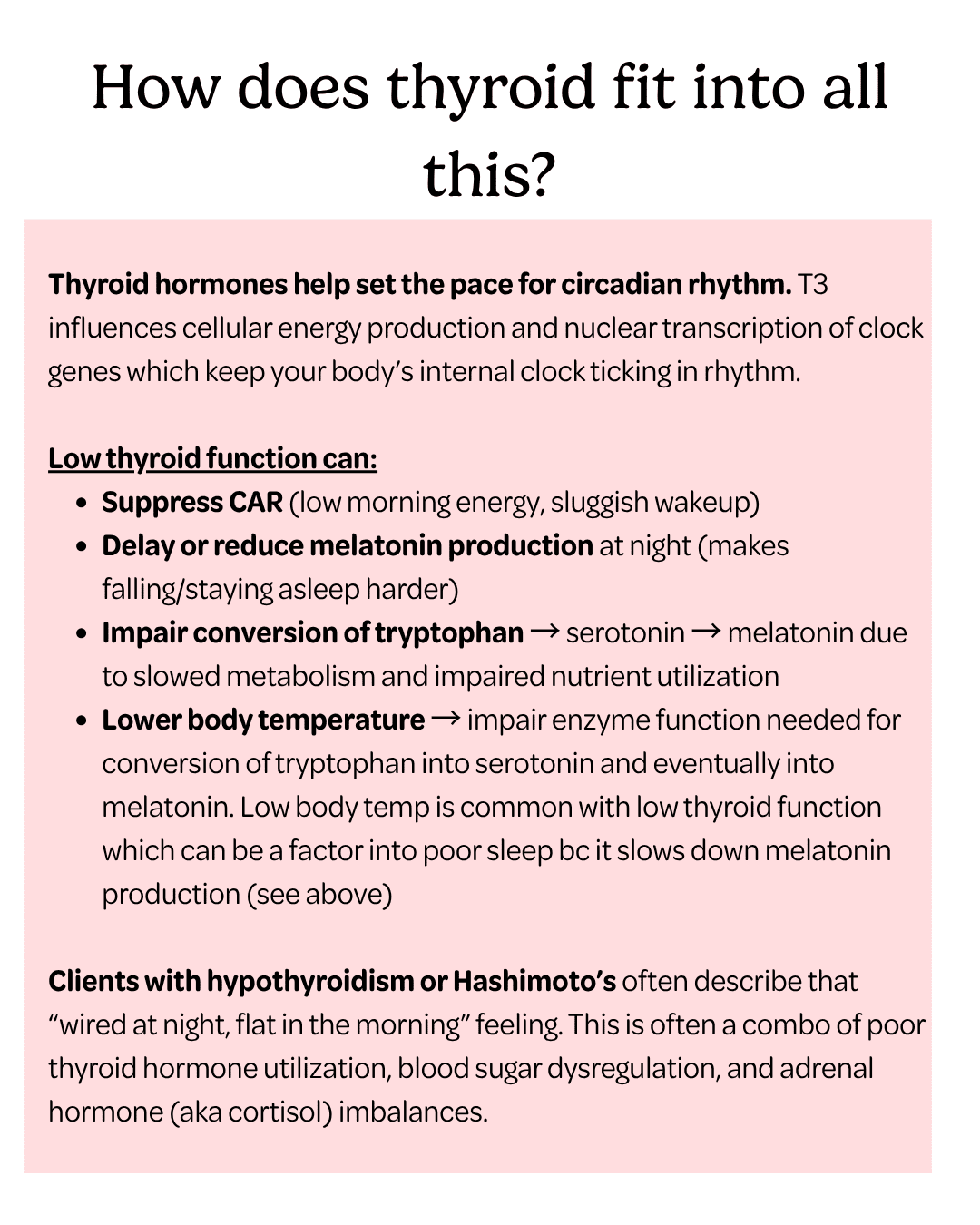
Your thyroid hormones regulate the pace and efficiency of every cell in your body, including the ones involved in neurotransmitter and hormone production.
Low T3 or poor conversion of T4 to T3 can:
So even if you’re eating all the right foods, you may not be using them well if thyroid function is low or sluggish at the cellular level.
This is often why we see clients with “normal” labs, yet they’re still bloated, foggy, and exhausted—even after 8 hours in bed.
This one surprises a lot of people.
When you don’t eat enough carbohydrates, especially in the evening, your insulin stays low. That might sound like a good thing—until you realize insulin helps tryptophan get into the brain.
Without that support, tryptophan struggles to compete with other amino acids and never makes it across the blood-brain barrier. Which means serotonin and melatonin don’t get made.
This is why we often see women on low-carb or keto diets struggle with insomnia, irritability, or the classic “tired but wired” pattern.
A balanced dinner with protein and a complex carb (like root veggies, fruit, or squash) helps the body shift into melatonin mode. And for thyroid health, adequate carb intake supports T3 production and helps prevent the body from downshifting into metabolic conservation mode.
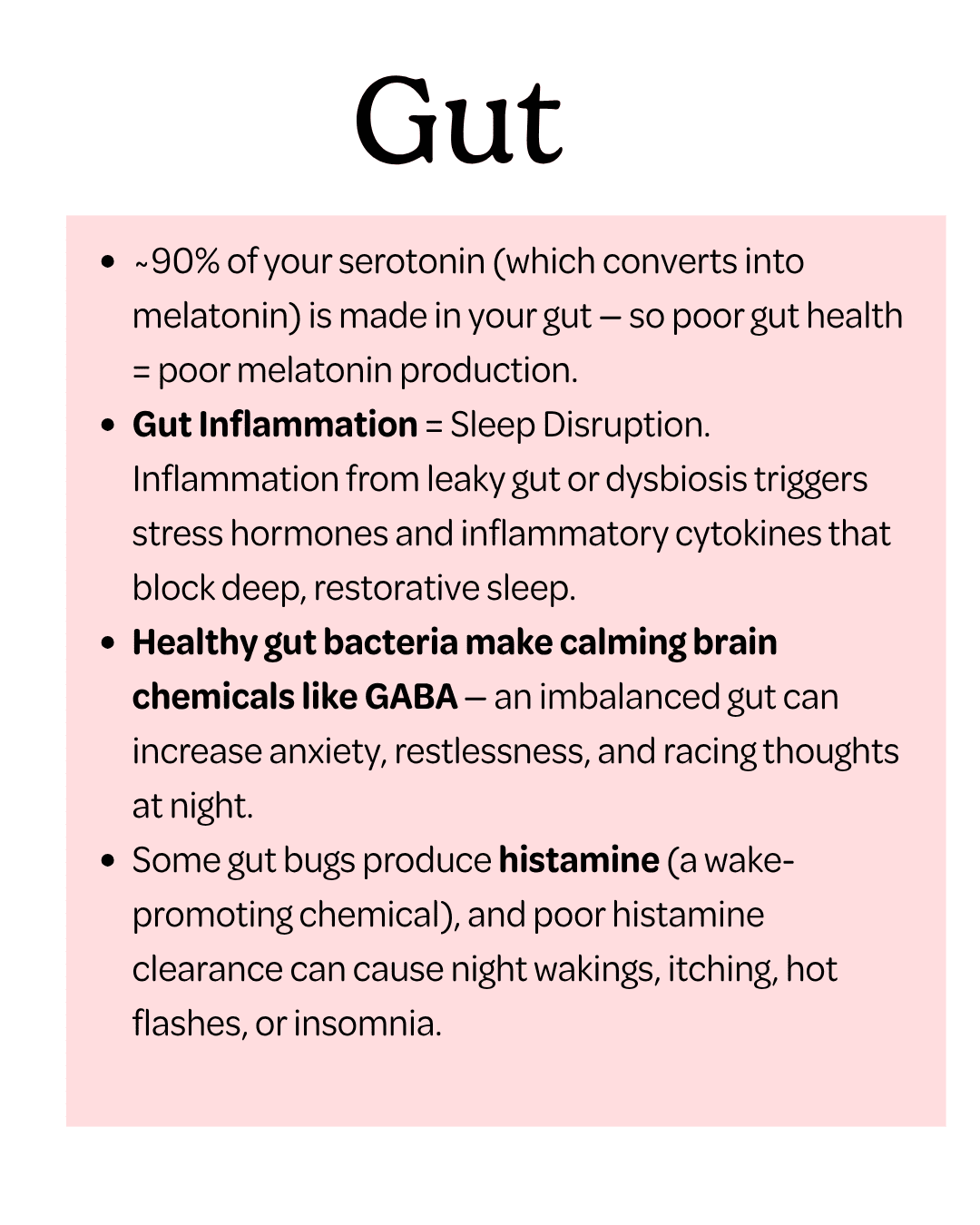
Your gut is deeply involved in this story. Here’s how:
Plus, a sluggish thyroid slows down digestion, stomach acid production, and gut motility—creating the perfect storm for dysbiosis, bloating, and bacterial overgrowth, which can further interfere with sleep quality.
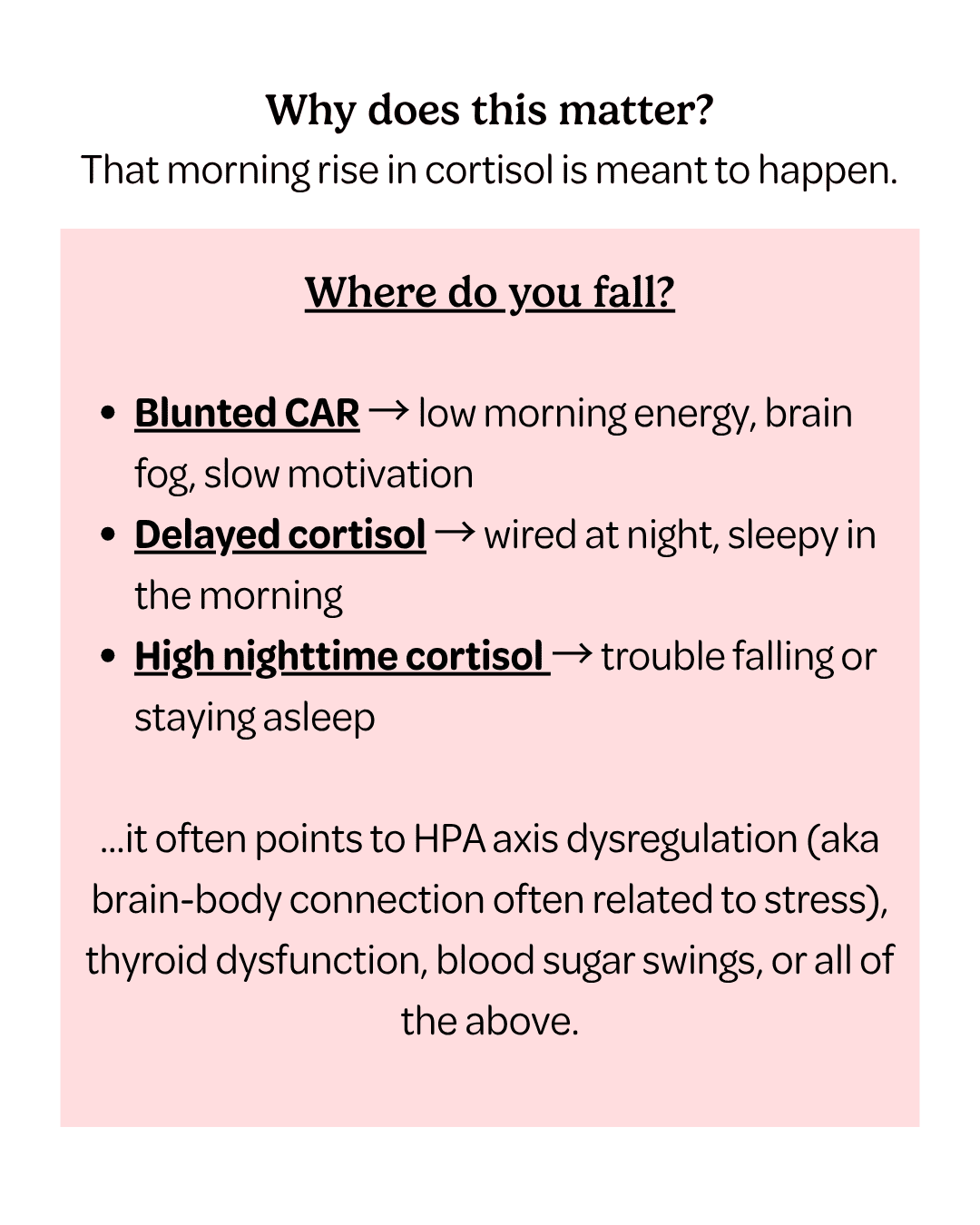
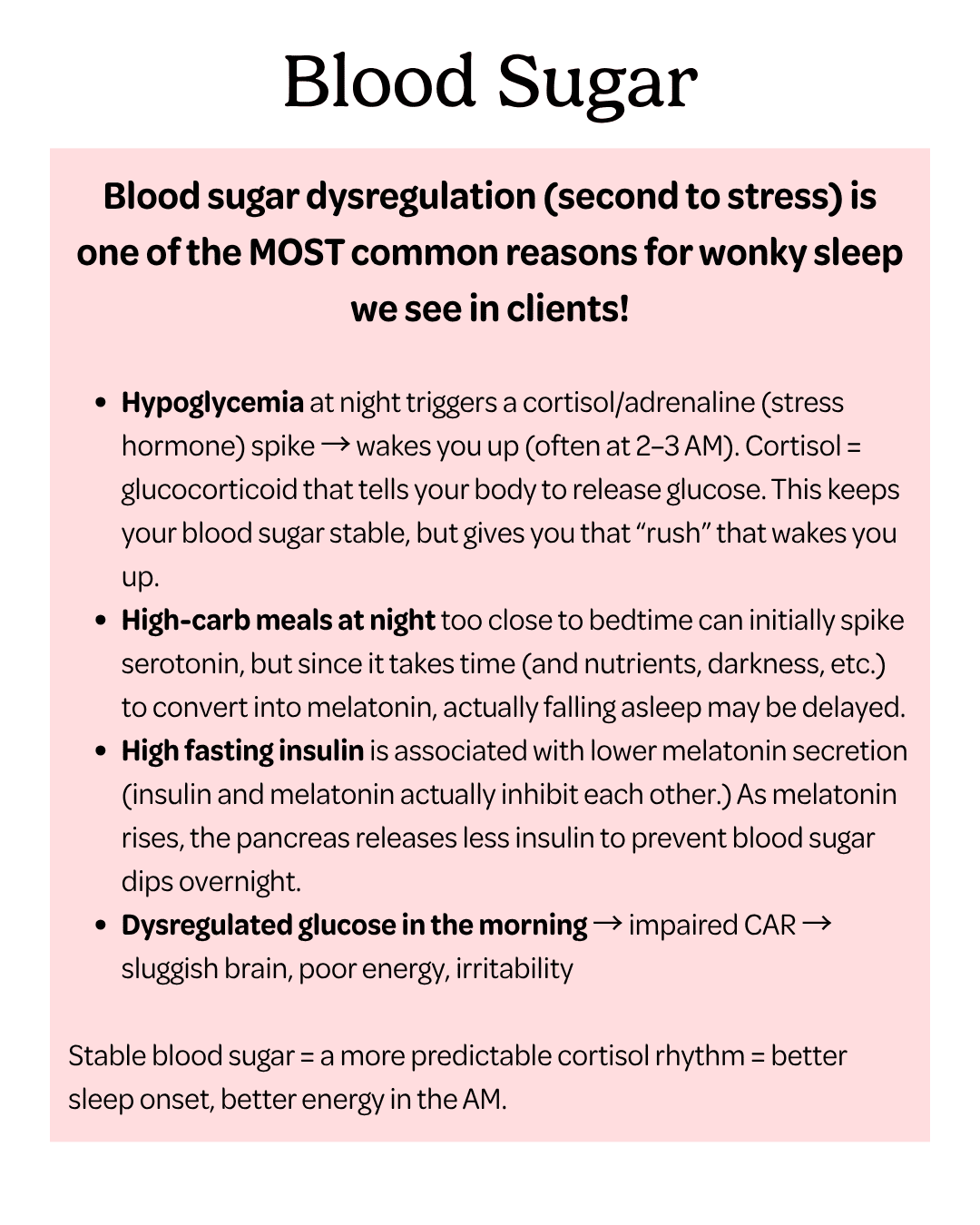
Your circadian rhythm is a coordinated dance between melatonin and cortisol.
Melatonin rises at night to help you wind down. Cortisol rises in the morning to help you wake up. But when blood sugar is unstable or cortisol is too high at night, it suppresses melatonin.
This is common in women with:
Nighttime blood sugar crashes can spike cortisol, jolting you awake with a racing heart. Supporting steady blood sugar and calming the HPA axis helps restore your natural melatonin rhythm.
Melatonin supplements might help you fall asleep for a while, but they won’t solve the deeper problem if your body can’t make its own.
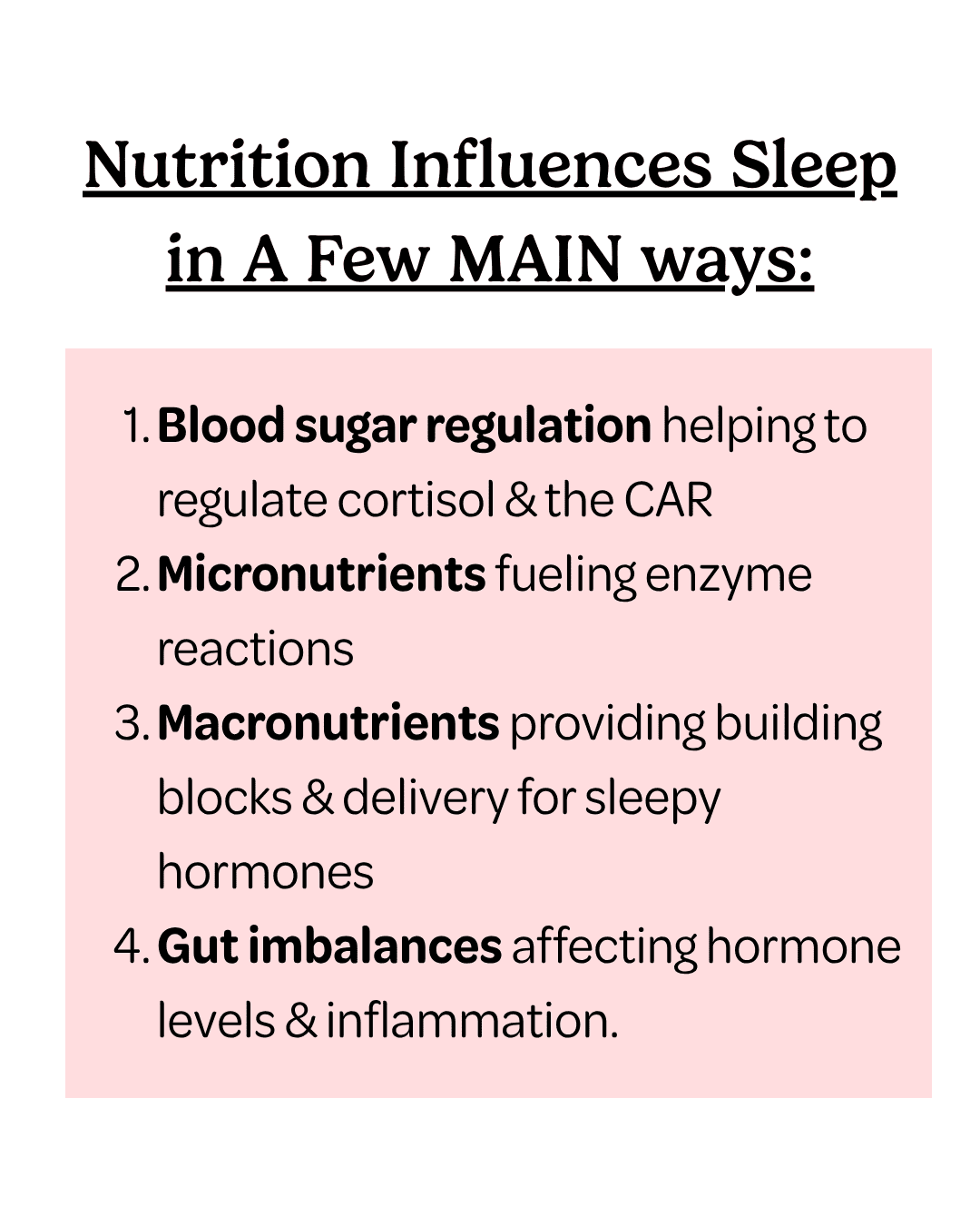
That’s why we look at the full picture:
When we connect the dots, sleep gets easier—and deeper.
If sleep has felt like a mystery, or like something that works for everyone else but not for you, you’re not broken.
You might just be missing the right raw materials. Or your thyroid might be under-functioning. Or your body might be trying to survive, not thrive.
This is where functional nutrition shines. Our team of dietitians takes your full story, labs, symptoms, and goals into account. Then we build a personalized plan that supports your sleep, metabolism, and hormone health from the inside out.
Not with gimmicks. Not with random supplements. But with clear, science-based strategies that restore your body’s natural rhythm.
If you’re tired of being tired and want to uncover what your body’s missing, we’re here to help.
Good sleep hygiene helps, but it cannot override the chemistry of melatonin production. If nutrients are low, thyroid function is sluggish, blood sugar is unstable, or cortisol rises at night, your brain simply does not have what it needs to build and use melatonin correctly.
Melatonin comes from the amino acid tryptophan. The pathway goes from tryptophan to 5 HTP to serotonin to melatonin. Each step needs specific nutrients, enough cellular energy, and healthy gut and thyroid function to keep the process moving.
Key players include tryptophan, iron, vitamin B6, magnesium, folate, B12, zinc, and SAMe. You also need adequate protein for amino acids and enough carbohydrates to help tryptophan enter the brain. Deficiencies or poor absorption at any point can lower serotonin and melatonin output.
Thyroid hormones, especially T3, regulate metabolic rate and cellular energy. Low or poorly used T3 can slow enzyme activity, lower ATP production, impair digestion and nutrient absorption, and disrupt cortisol patterns. All of these factors make melatonin production and sleep maintenance harder.
Nighttime wake ups are often related to blood sugar drops and cortisol spikes. When blood sugar falls too low, your body releases cortisol and adrenaline to correct it. That surge can wake you suddenly with a racing mind and make it hard to fall back asleep, especially if thyroid function or melatonin timing is already disrupted.
Yes. Very low carb intake keeps insulin low which makes it harder for tryptophan to cross the blood brain barrier. Less tryptophan reaching the brain means less serotonin and less melatonin. For many women this shows up as insomnia, feeling tired but wired, and more thyroid related symptoms.
Your gut produces most of your serotonin and also makes melatonin. Dysbiosis, inflammation, and poor digestion can alter tryptophan metabolism, reduce nutrient absorption, and send stress signals to the brain. A sluggish thyroid often slows gut motility which can worsen these issues and further disrupt sleep.
Supplements can temporarily raise melatonin levels, but they do not fix underlying issues such as nutrient depletion, thyroid dysfunction, gut problems, cortisol rhythm imbalances, or blood sugar instability. If your body cannot build or time melatonin correctly on its own, supplements are only a short term boost.
Include both protein and complex carbohydrates at dinner. For example, pair salmon or chicken with root vegetables, rice, or squash. This combination supplies tryptophan and creates the mild insulin response needed to help tryptophan enter the brain and support serotonin and melatonin production.
Keep a consistent wake time, get morning light exposure, eat a balanced breakfast with protein, fat, and carbs, and create a calm evening routine with dim lighting and limited screens. These habits support healthy cortisol and melatonin rhythms so your body knows when to be alert and when to wind down.
If sleep hygiene and basic nutrition changes are not helping, it may be time to investigate thyroid markers, nutrient levels, gut health, and blood sugar patterns. These upstream systems often drive chronic insomnia and non restorative sleep.
A functional nutrition team can review your full story, labs, and symptoms, then design a plan that supports melatonin production, thyroid function, gut health, and blood sugar together. Instead of chasing sleep as a stand alone problem, you get a cohesive strategy that helps your body feel safe enough to rest.


EMAIL:
hello@chewsfoodwisely.com
VIRTUAL APPOINTMENTS ONLY
Business Mailing Address:
2525 Robinhood Street
Houston, Texas 77005
© 2026 Chews Food Wisely. All Rights Reserved. Website Designed by AVM
Disclaimers | Privacy Policy | Terms of Purchase | Terms and Conditions